

Hi Usman! Who are you and what are you currently working on?
Hi, my name is Usman Butt, and I am the founder and CEO of RepairDesk. I am 34-years-old and I hail from Pakistan. I graduated with a Bachelor's degree in Information Technology and by profession, I am a salesman, a marketer, a businessman, and most importantly, a friend.
I worked with my team to create RepairDesk in 2014. At that time, I wanted to make a repair shop POS software that gave store owners peace of mind. Fast forward to today, RepairDesk has grown exponentially. We’re currently one of the world’s leading repair management software, and our core ethos has remained the same all the way.
My role in developing RepairDesk is basically giving my team direction on what to make and insight on what our customers would like to see in our software. To that end, I keep my communication with customers on-point; I believe if you’re going to create something for a person, it should always be solving a problem. Talking to my customers gives me the best idea of what they want, and how we can give it to them in a neat little package.
Of course, the best way to deliver consistently is through a subscription model. Customers who pay us every month essentially fuel our company and keep us running with ideas. The way I see it, we’re essentially lending our services to repair shop owners in helping them run their business better.
What's your backstory and how did you come up with the idea?
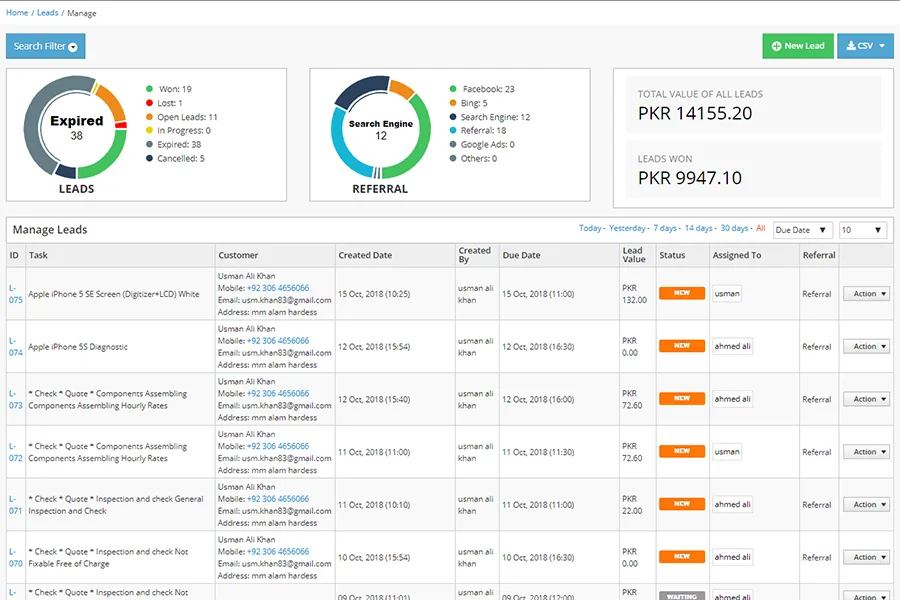
RepairDesk was conceived out of a need that I felt was prevalent in the repair industry. The idea came to me when I was working with my brother at his cellphone repair shop. We had many repair jobs coming in, a lot of inventory to go through, and needed a system to manage it all. Being an IT-qualified professional, I wanted to solve this issue with technology. So, I got cracking with my idea and started looking for people who could help me out. That's basically how it all started.
Thanks to working at my brother's store, I was able to get a fix on what a repair store needed and used that knowledge to build on my idea. Repair jobs assigned needed to be logged, customer records needed to be maintained, inventory had to be kept in check, etc.
All I needed was the opportunity to work with a team and develop it. Fortunately, I had already started up a web design company, so I had people who could get things done. I pitched them my idea and we devised a plan on what we needed to do and how to go about it. Before we knew it, we had started work on what would eventually be the first build of RepairDesk.
How did you go from idea to product?
When we started out, I had no idea where the journey would lead, but I was as excited as I am today to go down that path. I remember the routine that we had back in the early days - always on call, staying up late at night to fix issues, scraping together whatever we could to improve in the next update. What started off with a team of 5 people (myself included) quickly began to scale and grow, and that motivated me to keep pressing on. I’m really happy that some of our first hires are still with us today.
The initial prototyping phase was about 4-5 months, as I remember. Every day, we'd be reviewing over what we'd done, perform audits, and have discussions on what worked and what needed fixing. Once we were confident enough in what we had, we went into a beta launch with some of the prospects that we were talking to. It was an immense joy to learn that in the first month, we had 6 people sign on for our software. That had to have been the happiest moment of my career! It was an incredible feeling.
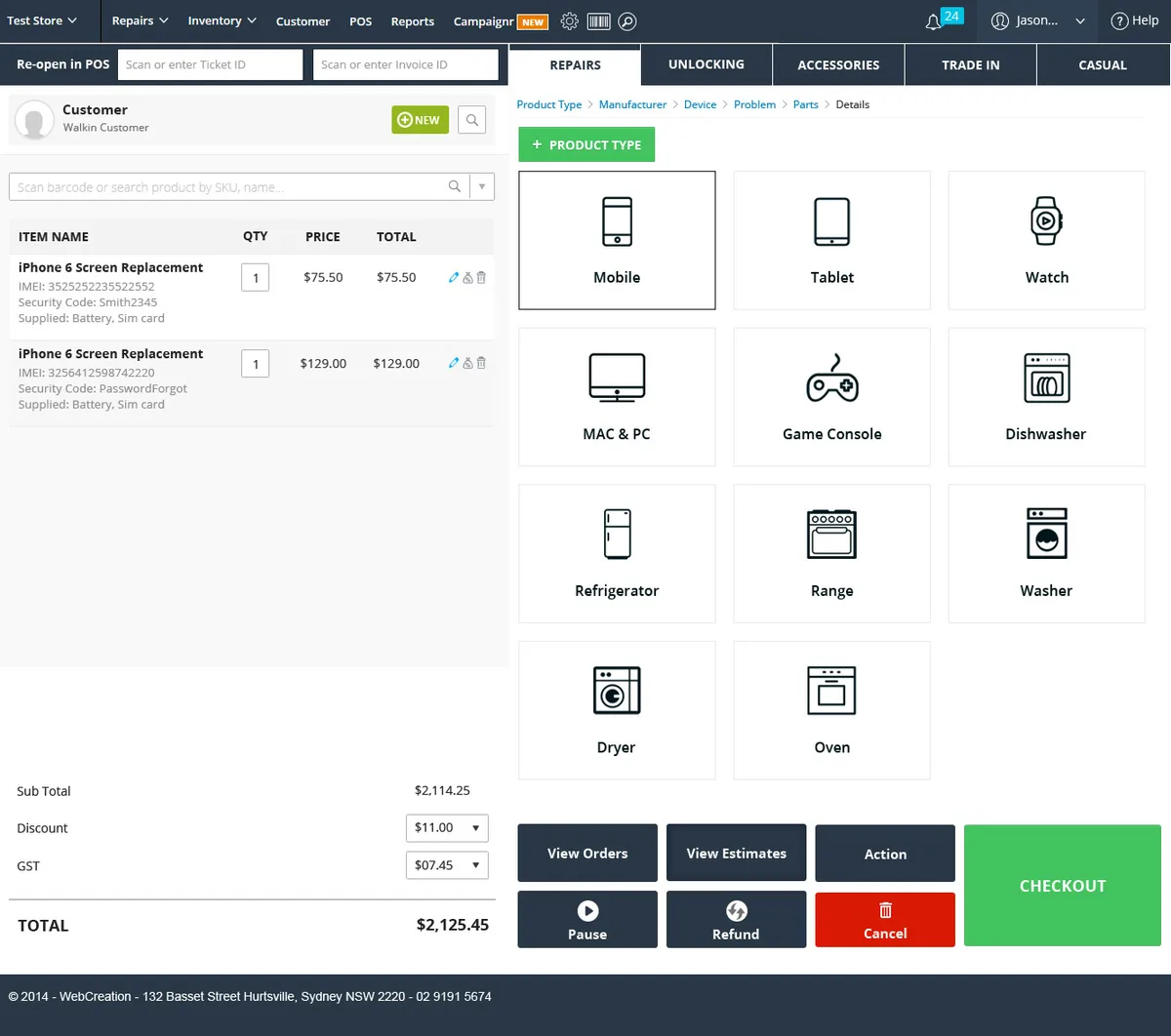
We built RepairDesk on the LAMP stack because of its ability to rapidly develop and deploy applications. Our developers use PHP as our server language, and the frameworks used are Laravel and Yii. For front-end, we're working on a SPA with Vue.js and Bootstrap. Initially, we used SVN for our versioning, but once we were made aware of Git and AWS cloud deployment, our team made the transition to it. As an addition, we've been using Atlassian for their management services in both Jira and BitBucket.